Understanding Botulinum Toxin: What It Actually Does
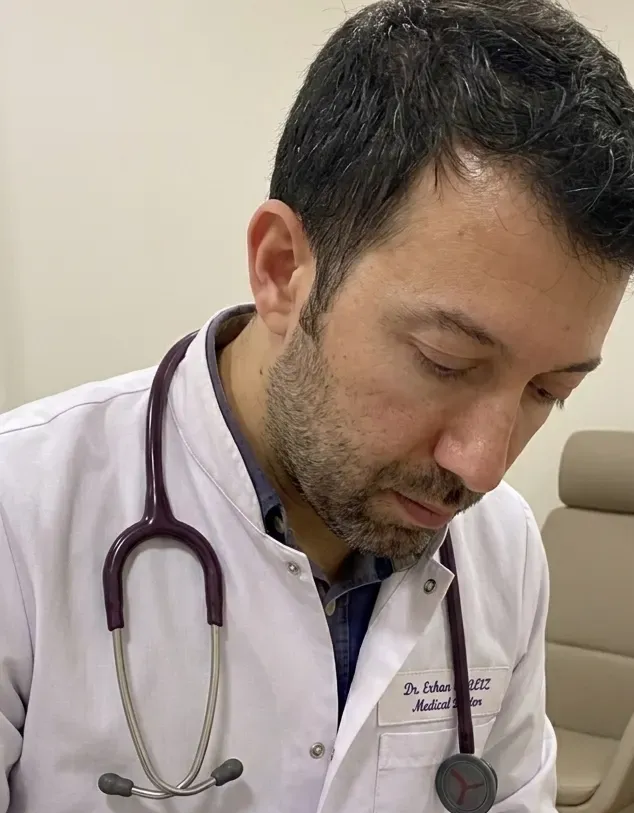
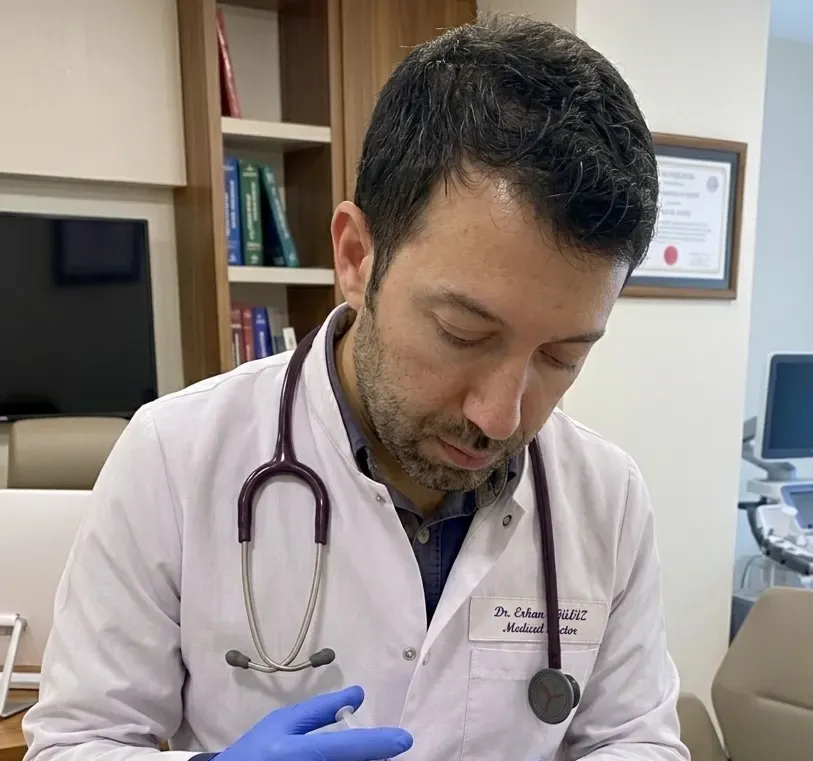
Botulinum toxin injections rank among the most requested procedures in medical aesthetics worldwide. At Dr. Erkam Caymaz's clinic in Kahramanmaraş, patients frequently arrive with questions about how the treatment works, what they should realistically anticipate, and how the process unfolds from consultation through recovery. This guide aims to address those questions with straightforward, practical information.
The mechanism behind botulinum toxin is relatively simple: small, precisely measured doses are injected into targeted facial muscles. These doses temporarily limit muscle contraction in the treated area. When certain muscles contract less, the skin above them creases less frequently, which softens the appearance of dynamic wrinkles — lines that form when you squint, frown, or raise your eyebrows.
Dynamic Wrinkles vs. Static Lines
One of the most common misconceptions is that botulinum toxin erases all types of wrinkles. This is not the case. There is a meaningful difference between dynamic wrinkles and static lines:
- Dynamic wrinkles appear when muscles move — crow's feet when you smile, forehead lines when you raise your brows, or the "11" lines between your eyebrows when you concentrate. Botulinum toxin targets these effectively because it addresses the underlying muscle movement.
- Static lines are visible even when your face is completely relaxed. They develop over years of repeated muscle movement, sun exposure, and natural collagen loss. Botulinum toxin may soften these over time with consistent treatment, but it will not make them vanish overnight.
During your consultation at the clinic, Dr. Erkam Caymaz will assess which of your concerns fall into which category. This distinction shapes the treatment plan and helps set accurate expectations about outcomes.
The Timeline of Results
Patients often expect immediate visible changes after their injection session. The reality follows a different timeline:
- Day 1-2: You may notice small injection marks or mild redness at the treatment sites. These typically resolve quickly. The toxin has not yet taken effect.
- Day 3-5: Subtle changes begin. You might notice that frowning feels slightly different, or that certain expressions require more effort. The relaxation is starting.
- Day 7-10: Results become more apparent. The treated areas show noticeably less movement and wrinkle formation during expressions.
- Day 10-14: Full effect is typically reached. This is the point where your final results are visible and stable.
Understanding this timeline prevents unnecessary worry during the first week when changes are still developing. If you do not see dramatic results by day three, that is completely normal.
What Your Consultation Should Cover
A thorough consultation is the foundation of a satisfying treatment experience. When you visit Dr. Erkam Caymaz's practice in Kahramanmaraş, the pre-treatment conversation typically includes:
- Medical history review: Certain medications, neuromuscular conditions, or allergies may affect your suitability for treatment. Be open about your full medical background.
- Facial assessment: The doctor examines your facial anatomy at rest and during movement. This helps identify which muscles contribute to your specific concerns.
- Treatment goals discussion: Are you looking for a subtle softening or a more noticeable reduction in movement? Your preferences directly influence dosage and placement decisions.
- Realistic outcome discussion: This is where the doctor explains what is achievable for your unique anatomy and what might require alternative or complementary approaches.
Come prepared with specific questions. If you have seen results online that appeal to you, mention them — it helps the doctor understand your aesthetic preferences while clarifying what is realistic for your situation.
Common Treatment Areas
While botox treatment is most associated with the upper face, the applications extend to several areas:
- Forehead lines: Horizontal creases that form when raising the eyebrows. Treatment here requires careful dosing to maintain natural brow movement.
- Glabellar lines (frown lines): The vertical "11" lines between the eyebrows. This is one of the most commonly treated areas and often responds well.
- Crow's feet: Fan-shaped lines radiating from the outer corners of the eyes during smiling. Treatment softens these while preserving genuine smile expression.
- Bunny lines: Small wrinkles on the bridge of the nose that appear during certain expressions.
- Chin dimpling: A pebbled or "orange peel" texture on the chin caused by overactive mentalis muscle.
Each area has its own dosage considerations, and not every patient needs treatment in all zones. A tailored approach yields more natural-looking results than a standardized protocol.
Factors That Influence Your Results
Two patients receiving the same treatment in the same area may experience different outcomes. Several variables affect how botulinum toxin performs for each individual:
- Muscle mass and activity level: Patients with stronger or more active muscles in the target area may need higher doses or more frequent sessions.
- Skin thickness and elasticity: Thinner skin tends to show wrinkle reduction more readily, while thicker skin might mask subtle improvements.
- Metabolism: Some individuals metabolize the toxin faster than others, which affects how long results last.
- Previous treatments: If you have had botulinum toxin before, your response pattern can inform dosing decisions for future sessions.
- Age and sun damage history: Significant photo-aging may limit the degree of improvement from botulinum toxin alone.
What Botulinum Toxin Cannot Do
Transparency about limitations is just as important as explaining benefits. Botulinum toxin will not:
- Tighten significantly sagging or lax skin
- Add volume to areas that have lost facial fat
- Replace the need for sun protection and basic skincare
- Produce permanent results — maintenance sessions are necessary
- Change bone structure or facial proportions
For concerns like volume loss in the cheeks or lips, dermal fillers may be discussed as a complementary option. For skin laxity, other protocols exist. The initial consultation helps map which tools address which concerns.
Aftercare and What to Expect Post-Treatment
Aftercare following botulinum toxin injection is straightforward but important:
- Avoid touching, rubbing, or massaging the treated areas for at least 4-6 hours
- Stay upright (do not lie flat) for 3-4 hours post-treatment
- Skip intense exercise, saunas, and hot baths for 24 hours
- Do not consume excessive alcohol on the day of treatment
- Mild bruising or slight swelling at injection points is possible and temporary
Most patients return to their normal daily activities immediately. There is no significant downtime, which is one reason the procedure fits easily into busy schedules.
Maintenance and Long-Term Planning
Botulinum toxin is not a one-time solution. The muscle-relaxing effect gradually wears off as new nerve endings form, typically within 3-6 months. Planning for maintenance means:
- Scheduling follow-up sessions before the effect fully wears off, which some practitioners believe helps extend duration over time
- Tracking your personal response pattern — some patients find their results last longer with consistent treatment over multiple sessions
- Adjusting dosage and areas as your needs evolve with age
During follow-up visits at the Kahramanmaraş clinic, the doctor evaluates how previous treatment performed and adjusts the plan accordingly. This ongoing relationship produces better outcomes than approaching each session in isolation.
Questions to Ask Before You Commit
Before proceeding with botulinum toxin at any clinic, consider asking:
- How many units do you recommend for my specific concerns, and why?
- What brand of botulinum toxin do you use, and what is your experience with it?
- Can you show me what my face will look like with reduced movement in that area?
- What should I do if I am not satisfied with the results?
- When should I schedule my follow-up or next session?
A good practitioner welcomes these questions and takes time to answer them thoroughly. If you feel rushed or pressured, consider that a signal to pause and reflect.
Booking Your Consultation
If you are considering botulinum toxin and want a clear, honest assessment of what it can do for your specific concerns, you can book a consultation at Dr. Erkam Caymaz's clinic in Kahramanmaraş. The initial meeting focuses on understanding your goals, examining your facial anatomy, and building a treatment plan that matches reality rather than unrealistic promises.
Realistic expectations are not about lowering your standards — they are about understanding the tool so you can appreciate the genuine improvements it delivers.
Medical note: This article is for general education only. It is not a diagnosis or a personal treatment plan. Suitability for botulinum toxin, dermal fillers, mesotherapy, or PRP is decided after an in-person assessment with a physician. Results vary between individuals, and past examples do not predict your outcome.